Q&A with Christina Wells: Country Manager, New Zealand
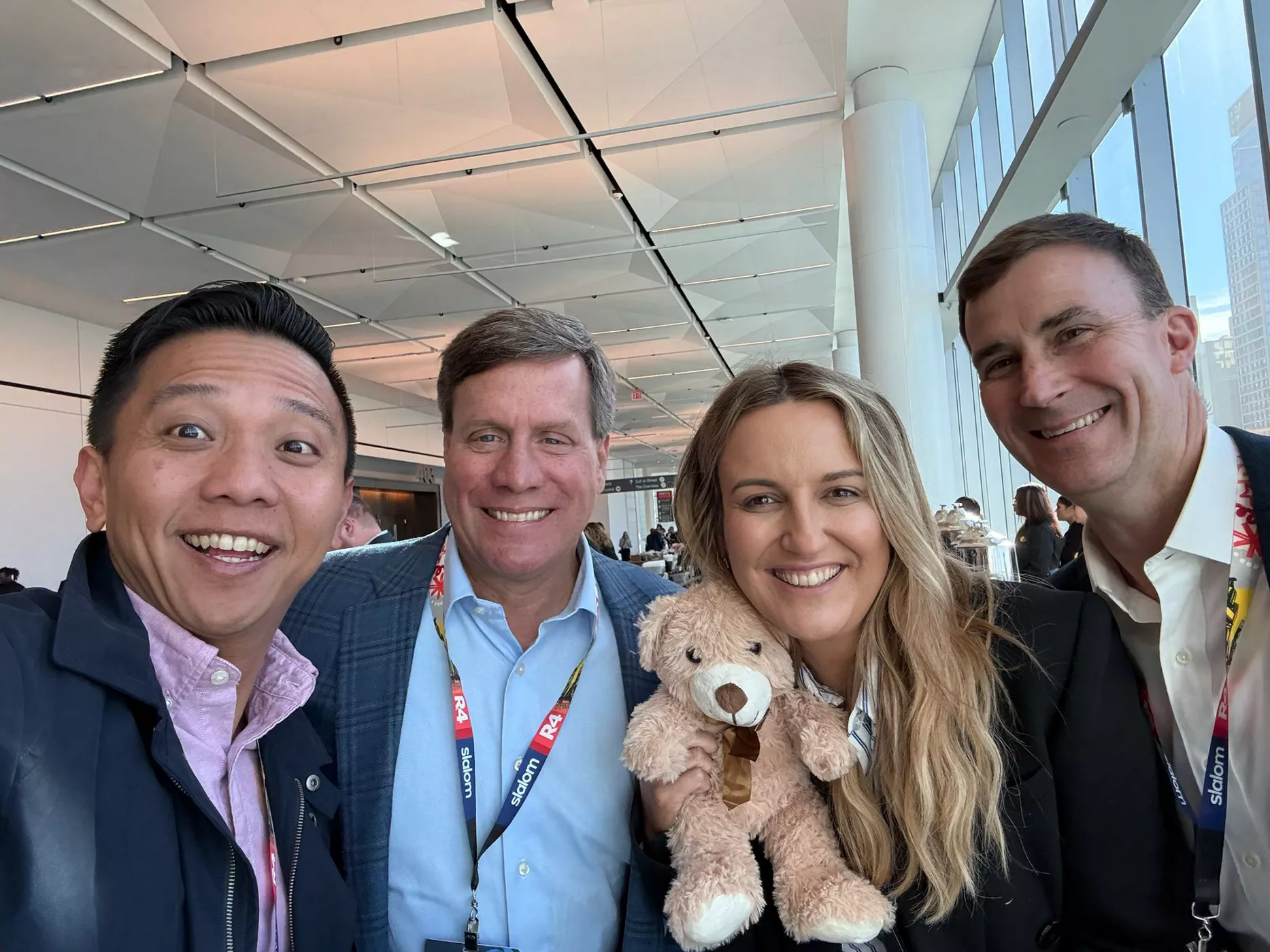
Christina Wells leads Slalom New Zealand, helping organisation turn ambitious ideas into practical outcomes across strategy, technology, AI and business transformation. She is passionate about building high-performing teams, creating enduring customer relationships, and growing a distinctly New Zealand business with global scale behind it.
What excites you most about leading Slalom in New Zealand?
The opportunity in front of us.
New Zealand has incredible organisations, smart leaders and no shortage of ambition. At the same time, technology is moving faster than it ever has. AI is changing what is possible, but most organisations are still working out how to translate that potential into something meaningful for their customers, their people and their business.
That is where I think Slalom can be genuinely different. We can bring global experience and capability into New Zealand, but apply it locally, with people who understand the market and stay close enough to our customers to help make the change real.
I want us to build a different kind of consulting and technology company here. One that is known for great work, great people and for actually delivering what we said we would.
What do you think leaders are getting right, or wrong, about AI?
The organisations making the most progress with AI are getting on with it. They are identifying the highest-value opportunities across the enterprise, experimenting quickly, learning what works and scaling from there.
I think there is still a tendency to wait for certainty, or for the perfect strategy, governance model or use case. But with AI, speed matters. You are going to learn more by doing than by debating, and those lessons compound. Organisations that move early, learn quickly and keep iterating will build an advantage that becomes harder to catch.
That does not mean being reckless. It means being clear on the problem you are solving, focused on value, and comfortable with progress over perfection.
And people have to be at the centre of it. The technology will keep changing, but adoption, judgement, trust and the way work actually gets done are human challenges. AI can accelerate an organisation, but people still set the direction.
That is what Fiercely Human means to me in this context. The more powerful the technology becomes, the more important it is to design change around people, not around the technology itself.
How would you describe your leadership style?
High trust and high standards, and a healthy sense of urgency ;)
I believe people do their best work when they understand where we are going, why it matters, what good looks like and the part they play in getting us there.
I’m a big optimist. I tend to believe there is always a way forward, and I like bringing that energy into a team, especially when things are hard or uncertain. For me, leadership is about creating clarity, backing good people, removing barriers and helping people move with confidence. I care a lot about kindness, but I don’t think kindness and accountability are opposites. The best teams I’ve been part of have plenty of both.
I also think work should be FUN. We spend a huge amount of our lives doing it, so being a team should mean having some fun, laughing together and actually enjoying what we’re building. I think the best teams combine strong relationships with very high expectations of each other.
So, I’d probably describe it as urgent optimism: move with pace, expect a lot, back your people, and believe we can figure it out together.
You talk a lot about growth. What does growth mean to you?
Growth creates opportunity.
It creates opportunities for our people to stretch themselves, for new leaders to emerge, for us to invest in new capabilities and for our customers to have access to more of what Slalom can bring.
But I’m not interested in growth for growth’s sake. It has to come from doing meaningful work, creating value for customers and earning the right to do more with them.
The commercial result matters, of course. But I want it to be the outcome of building a business people want to work with and work for.
What do you think makes great consulting different?
The ability to connect strategy to execution. A brilliant strategy that never changes what happens on Monday morning isn’t particularly useful.
The work I find most interesting is where you can take a big ambition, break it into practical steps, bring together the right strategy, engineering and delivery capability, and start creating value quickly while still keeping sight of the bigger destination.
I also strongly believe we should leave capability behind. A customer should be stronger because we worked with them, not more dependent on us.
What does ‘Fiercely Human’ mean to you personally?
For me it means remembering that business is ultimately built on people.
Customers remember whether you listened. Teams remember whether you backed them. People know when you genuinely care about the outcome versus simply delivering the next piece of work.
Technology changes. Markets change. Strategies change. Trust compounds.
I think being fiercely human means bringing curiosity, honesty and humanity into serious work, while still being ambitious about what is possible.
What are you most ambitious about for Slalom New Zealand?
I want Slalom to be one of the companies New Zealand leaders think of first when they have an important problem to solve.
Not because we are the biggest, but because they know we will bring smart people, challenge their thinking, care about the outcome and get things moving.
We have this rare combination of global scale and a genuinely local business. I want to use that to help New Zealand organisations move faster in areas like AI, data, cloud and modernisation, while building something here that our people are incredibly proud to be part of.
What keeps you interested after nearly two decades in business and technology?
I haven’t won Lotto? Only kidding. I’m curious as to why some organisations and teams achieve things that others don’t.
Technology is part of that, but so are psychology, leadership, economics, customer behaviour and culture. I like understanding how all those things connect.
I’m naturally curious and probably slightly obsessive about understanding why something worked, why something didn’t, and what we could do differently next time. So I guess you could say, the relentless pursuit of trying to be better than I was yesterday.
And outside work?
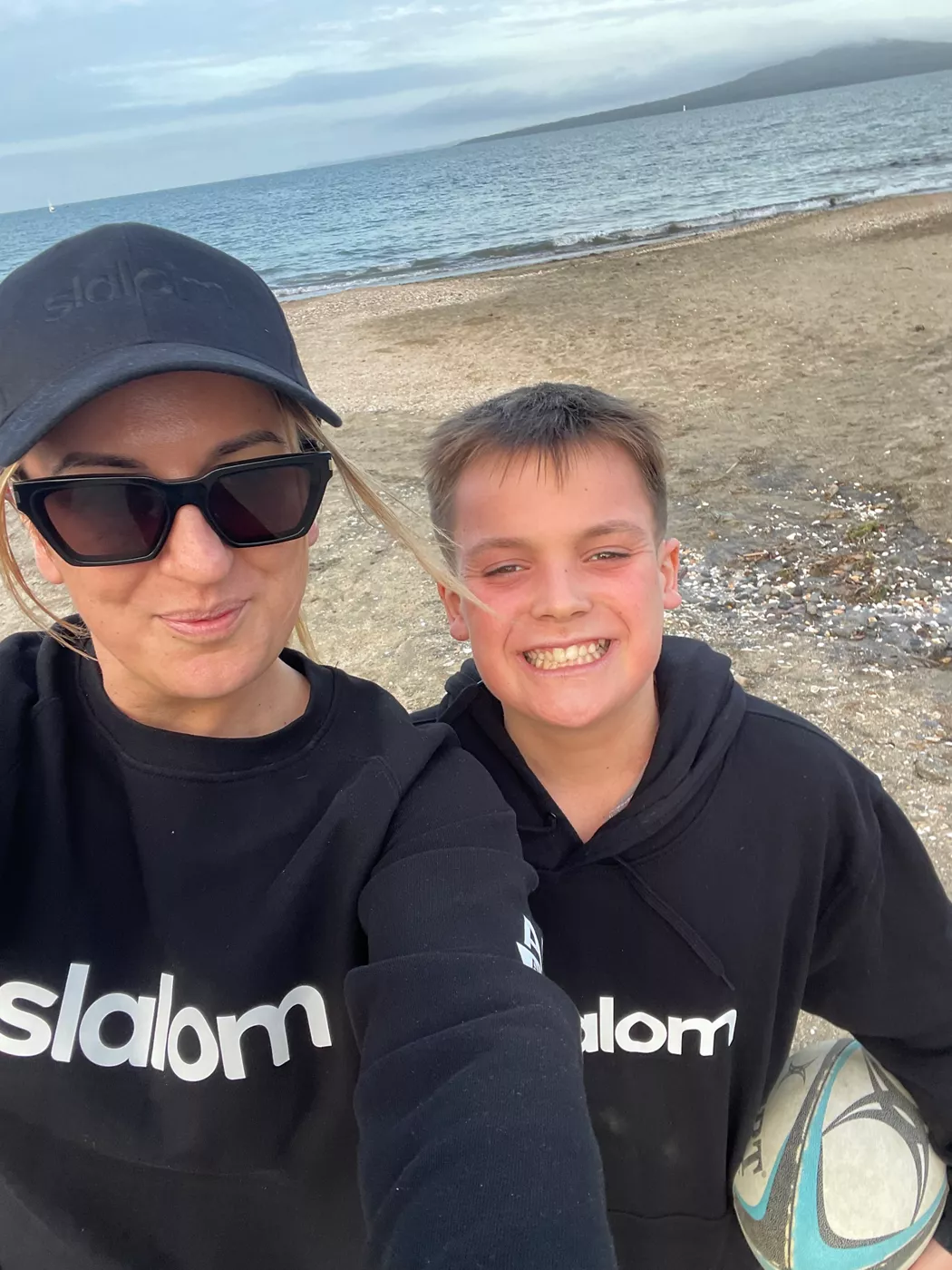
I’m the youngest of seven, so family has always been a huge part of my world. I have two boys, Connor and Maddox, and a giant bunch of nieces and nephews, so life is rarely quiet. I wouldn’t have it any other way. Give me a house full of people I love, good food and plenty of noise and I’m pretty happy.
I love to travel with my partner Jono and our blended whanau. We’re both happiest on or near the ocean. I’m currently attempting to become a master fisherman. He can attest to the fact that I’m some distance from earning the title, but the ambition is there.
Music is always on, I’m particularly stuck firmly in the 90’s 00’s, rap, R&B and hip hop are the main rotation but I love everything and luckily for me, Connor, Maddox and my nieces and nephews keep me reasonably current.
I’m also endlessly curious. I’ll happily disappear down a rabbit hole on history, psychology, business, politics, sport, a documentary or some completely obscure story I’ve just discovered. I need to know what happened, why it happened, and then usually another six questions after that.
And despite spending my working life around technology, I’m increasingly protective of the analogue bits of life: being present, going somewhere new, being near the water, having people around the table and laughing a lot. Work matters enormously to me, but so does having a really good life outside of it.